Printable Coloring Guide
By Shni Luna · · 6 min read · How to Color
Printable coloring is a convenient way to enjoy Shni Luna coloring pages on paper.
You can print your coloring page at home or at a local print shop, then color it with pencils, markers, gel pens, or any other materials you like.
This is a great option if you want to take a break from screens and enjoy a little quiet creative time offline.
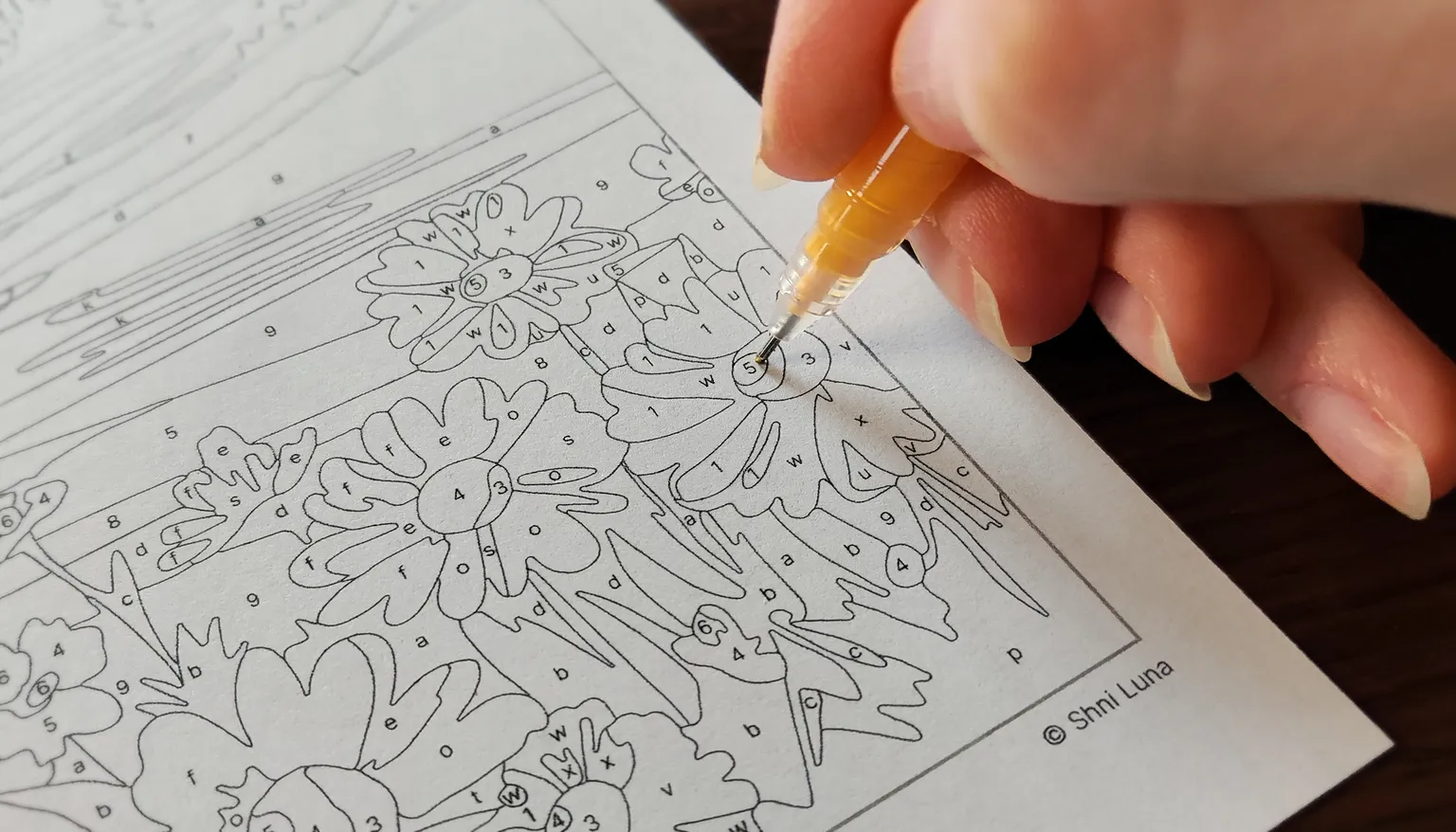
What you need for printable coloring
To get started, you need:
- a digital coloring page
- a printer or a local print shop
- paper
- pencils, markers, pens, or other coloring materials
- a little quiet time for yourself
1. Choose a page to print
After purchasing or downloading a free coloring page, you will receive several files. For printing, the most useful options are:
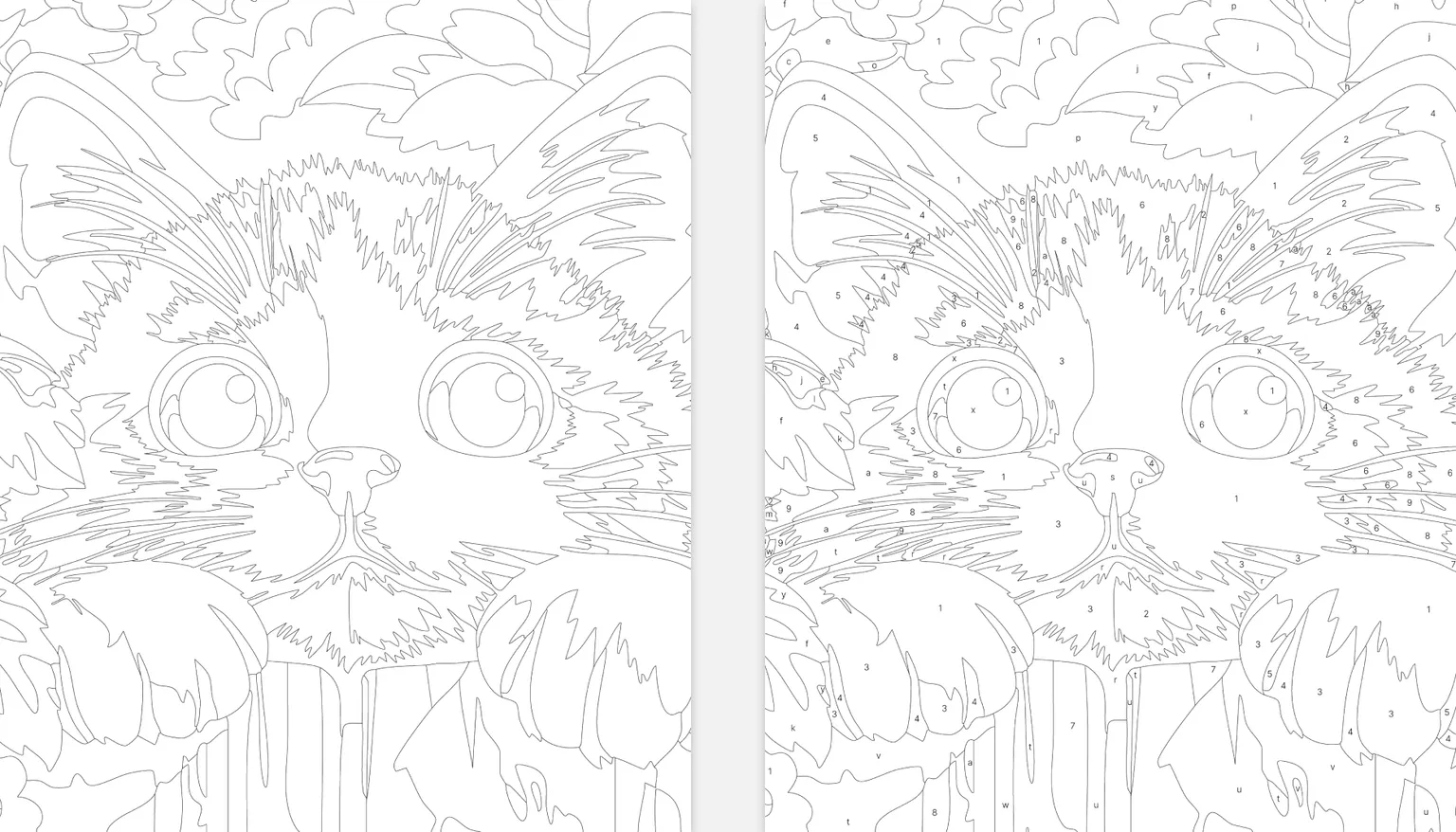
Numbered Page
This is a page with numbers, without the color palette at the bottom. Because of this, the numbers are a little larger, and the print stays black and white.
It is a good option if you want to color by number and follow the ready-made color palette.
Contour Page
This is a clean outline page without numbers.
It is a good option if you want to color freely, use your own colors, or get a cleaner final result without visible numbers.
For printing, I especially love the Contour Page because the result looks neater, and the numbers do not show through pencils or markers.
2. Use the Navigation Map and Color Palette
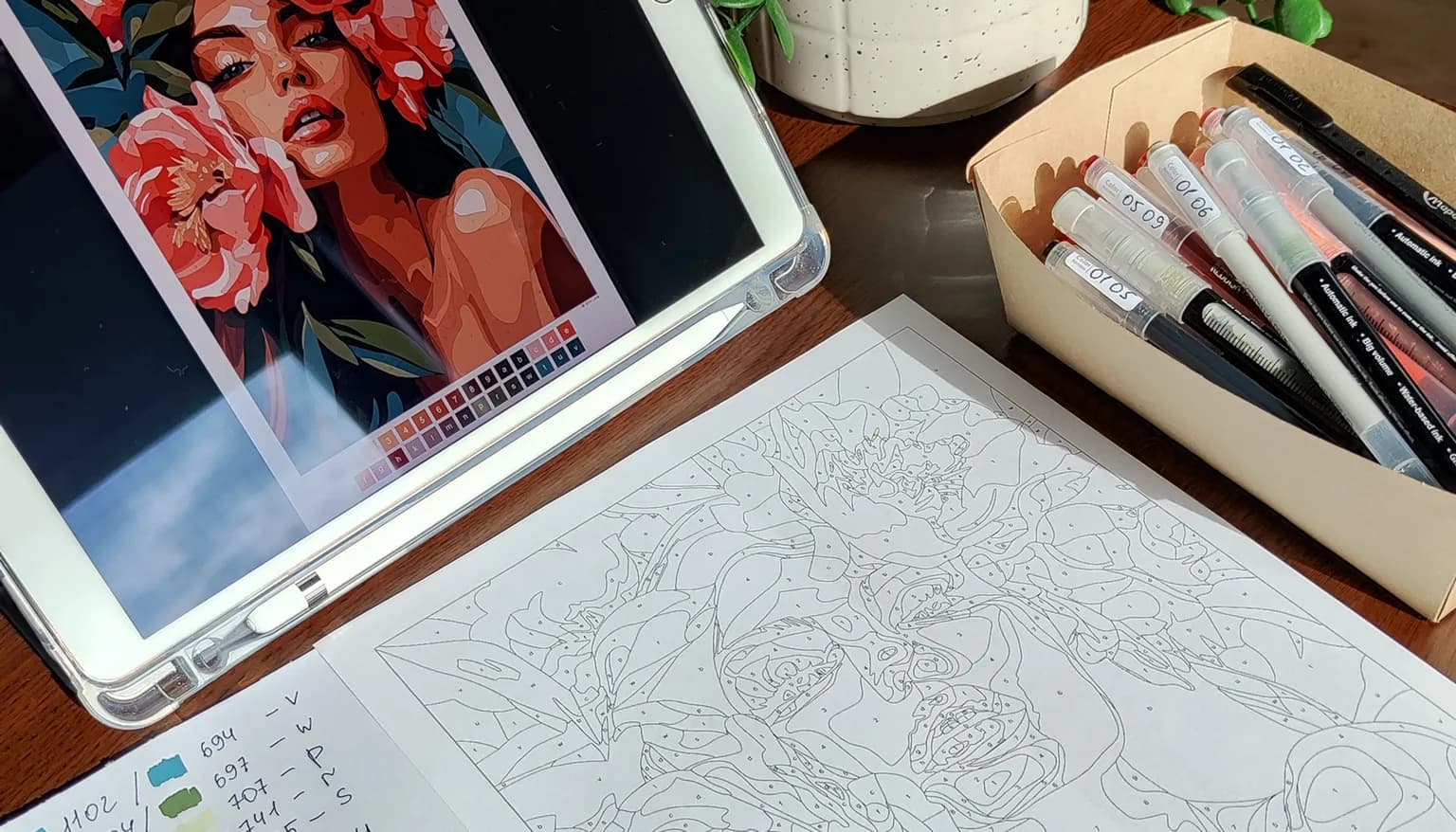
Your download also includes files that can help you while coloring.
Navigation Map
This is a colored reference image of the finished artwork.
It helps you see what the final result should look like, where the colors go, and how the shades work together.
Color Palette
This is a separate color palette.
You can use it together with the Numbered Page to match colors to numbers. It also helps you find similar shades among your pencils, markers, or pens.
You don’t need to have the exact same colors. You can use the closest shades you already have.
3. Choose a print size
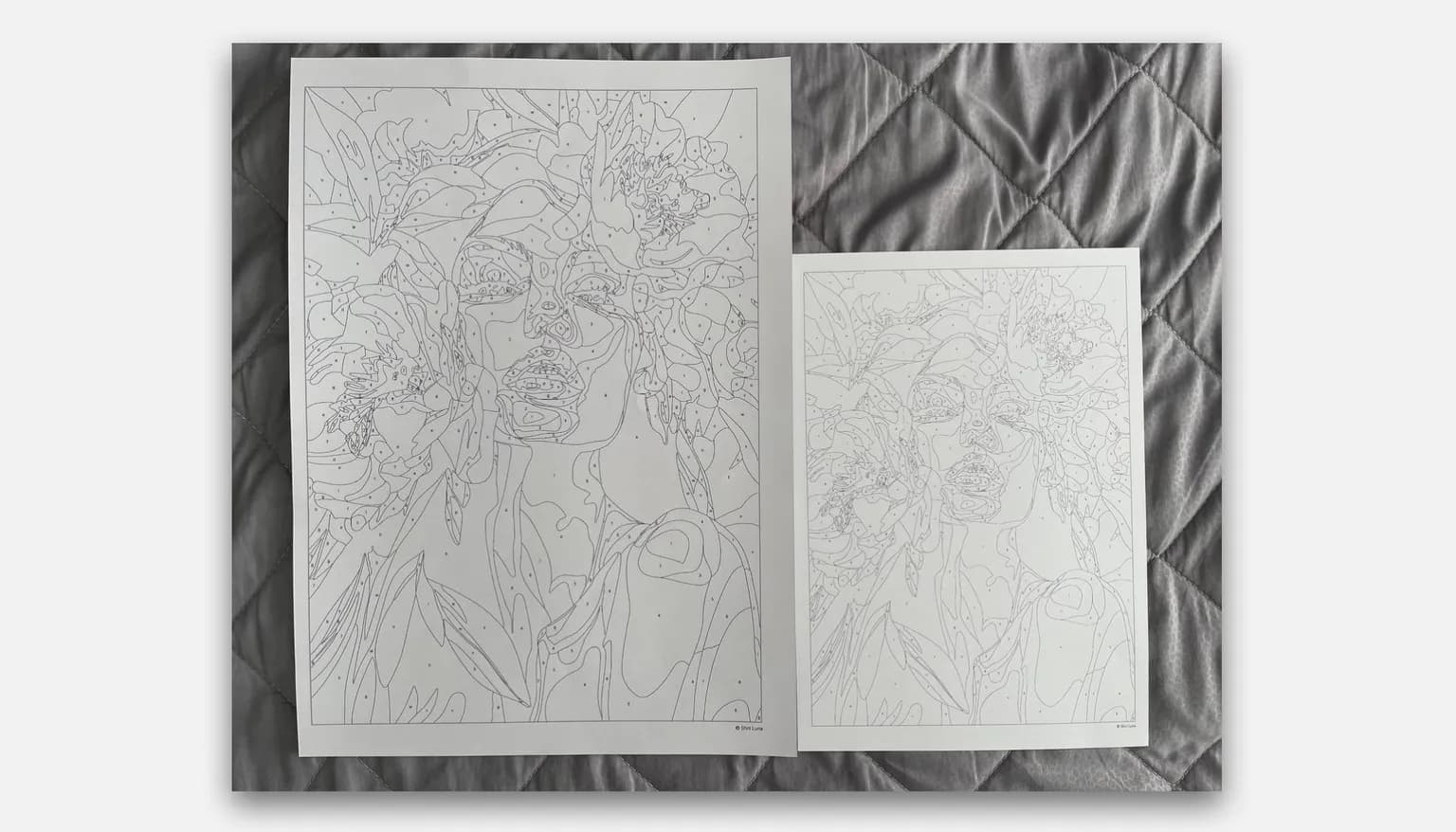
You can print my coloring pages at home or at a local print shop. The most popular options are:
A4
A4 is a standard size that is easy to print at home. It works well for most coloring pages, especially if the design is not too detailed.
A3
A3 is a larger format. It is helpful for more complex coloring pages with many small details. On a larger sheet, it is easier to see the numbers, work with tiny areas, and color more neatly.
If you choose a detailed coloring page or want a more comfortable coloring experience, try printing it in A3.
4. Choose paper
Regular office paper can work too, especially if you are just trying printable coloring for the first time. But for a better result, I recommend choosing thicker paper.
A good option is:
160–250 gsm
This type of paper feels nicer to color on and works better with markers, gel pens, and other coloring materials.
If you use very wet markers or alcohol markers, test them first because the ink may bleed through the paper.
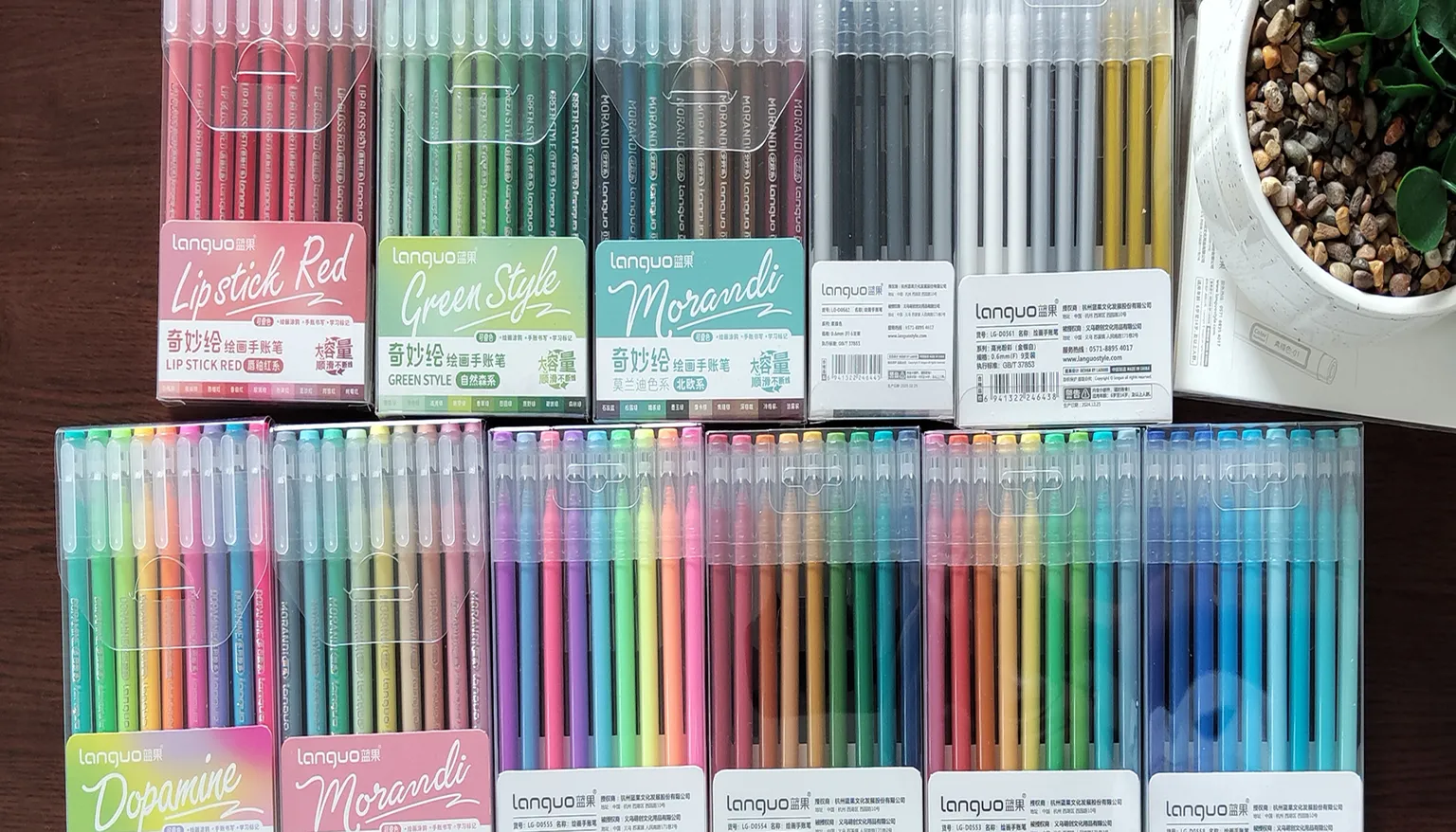
5. Choose your coloring materials
You can use any materials you enjoy. Popular options include:
- colored pencils
- markers
- gel pens
- acrylic markers
- liners
- felt-tip pens
Colored pencils are great for beginners because they are easy to control, and mistakes feel less stressful. Markers give a bright result, but they work better with thicker paper. Gel pens are great for small details, accents, and shiny elements.
6. Match your colors
If you are using the Numbered Page, open or print the Color Palette. Look at the number on the artwork, find the matching color in the palette, and choose the closest shade from your materials.
Your colors do not need to match the palette perfectly. If you don’t have the exact shade, choose a similar one. The result will still look beautiful and unique.
If you are using the Contour Page, you can color with the help of the Navigation Map or choose all the colors yourself.
7. Start with larger areas
If you are not sure where to start, begin with the larger areas. This helps you get into the process without feeling overwhelmed by tiny details right away. After that, you can move on to smaller elements and accents.
If you are coloring by number, you can also choose one color and fill all the areas with that number before moving to the next color.
8. Take your time
Printable coloring does not need to be finished in one sitting. You can color in the evening, on the weekend, or come back to the page in small parts over several days.
It can become your calm offline ritual: tea, music, your favorite pencils, and a little time without rushing.
Helpful tips for beginners
- Start with a simpler coloring page with around 200–300 objects.
- For detailed pages, A3 printing is more comfortable.
- If you use markers, choose thicker paper.
- Test your materials on a small piece of paper first.
- Don’t worry if your colors do not match the palette 100%.
- Use the Navigation Map as a guide.
- Color at your own pace.
My quick recommendation
If you want to follow the paint-by-number system clearly, print the Numbered Page and use the Color Palette.
If you want a cleaner result or more creative freedom, print the Contour Page and use the Navigation Map as a reference.
Both options work well. Choose the one that feels more enjoyable and relaxing for you.
Ready to start?
Choose a coloring page, print it at home or at a local print shop, pick your favorite materials, and start coloring at your own pace.
Helpful links: